I Got a Ticket. Not a Ticket to Ride.

Paper Tickets

The other day, I got a ticket. No, it wasn’t a speeding or parking ticket. Or one for not properly placing my trash cans at the curb. I don’t have to do that. I have the joy of an incinerator. I visit it many times a day. My grandfather would be proud. I did not get a ticket to ride.

I was at Lincoln Center for a photo shoot with my wide-angle lens. Before shooting, I went to the Metropolitan Opera House and bought a ticket for “Tosca.” I went to Vivian Beaumont Theater and purchased tickets for “A Few Good Men.” I finished my shopping by entering David Geffen Hall and renewing my New York Philharmonic subscription. I will be attending several concerts.

At David Geffen Hall, the ticket clerk looked up my email address (they did that at the opera house, too) and asked me what shows I wanted. I picked a few and tapped my iPhone to pay. I said, will my tickets be in my account? He said, yes or do you want paper tickets? I thought for a minute and asked which is better. Mind you, I have been a subscriber for about a decade and always had electronic tickets. You know, you download them, save them in your Apple Wallet, and scan them in at the theater.
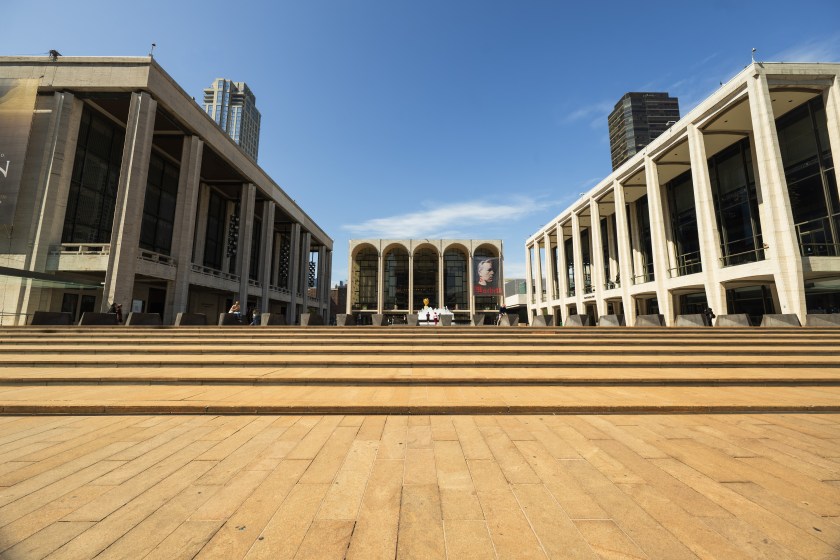
Lincoln Center Theaters and Revson Fountain

He then said, “It does not make a difference. Do you like electronic things, or do you prefer paper?” I love electronic stuff. I said, paper. He printed them and stuffed them into an envelope. Keep in mind, at Beaumont and the opera house, they handed me paper tickets immediately. I didn’t get a choice. 

As I was thinking about my e v. paper tickets. I was blasted back to the old days. Remember when we used to call Ticketmaster and wait on hold for what seemed like hours for tickets for The Cure, Depeche Mode, Yankee-Red Sox games, and U2? Sure, you do. Eventually you spoke to an agent, gave them your credit card number, and were told they’d mail your tickets. Of course, there was a fee for that – Standard postage or more for FedEx. For Broadway theater, I often went to the box office and got paper tickets. 

Then the day came when you walked into the Garden, the Stadium, or the Nederlander. The person at the door tore your ticket, gave you the stub, and you went to your seat. You waited and hopefully made it to the top of the ninth with the Yankees ahead, heard “Enter Sandman,” watched Mariano save the game, and walked to the subway to “New York, New York.” Or you saw Robert Smith come out and sit in the dark while he played for nearly three hours. Fun times. 

We are still doing that. But now they scan your phone, and you hope it works. The other day for a Yankees-Red Sox game, I had to scan the ticket many times until I got in. I did. We lost. I was back the next day; we won 16-1. The day we lost, I headed to Radio City Music Hall after the game, scanned my ticket, and suddenly, I was “Up the Junction”—in other words, I saw Squeeze.

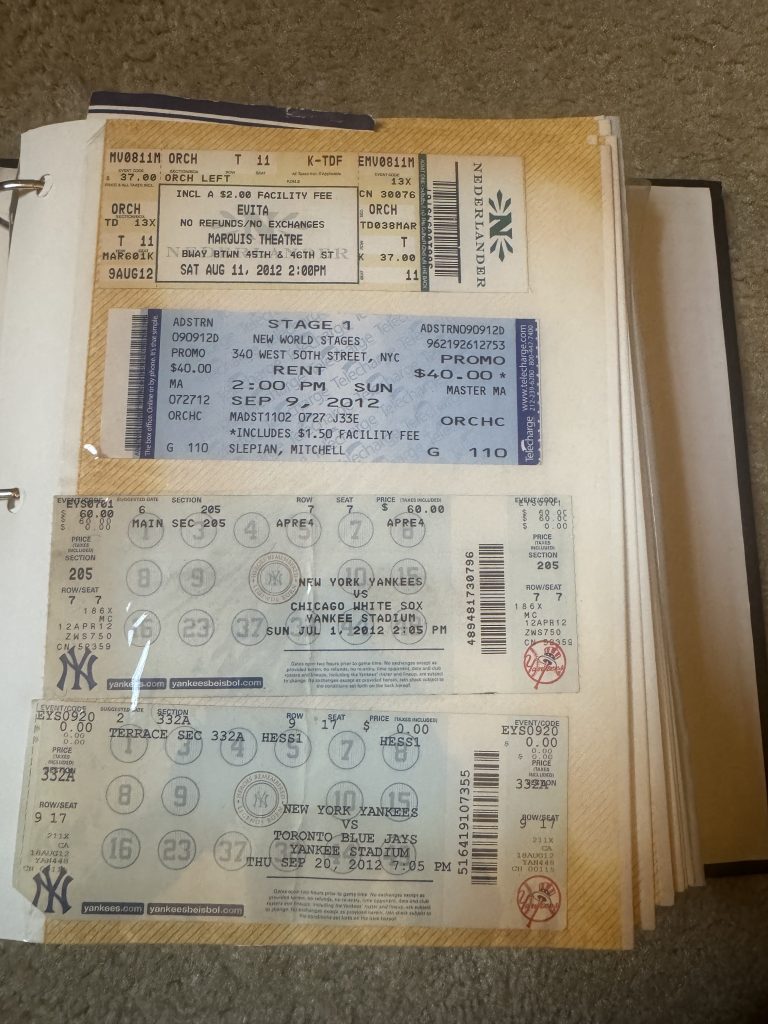
To me, it doesn’t matter how I enter the venue. I just wanna be in. But I must admit there is something magical about the paper ticket. I always keep them. I have journals with tickets from my first Yankee games back in the day when number 1, Billy Martin, was managing, and from seeing The Cure in the 80s. And of course, “Rent” with the original cast.

There was something special about looking at that ticket. When I look at them in my Apple Wallet, it is not as special. I am just happy the transfer from AXS or Ticketmaster processed. 

Talk to ‘ya after “Tosca.”
AI and Transcript Creation 

For those of you who read my prior AI posts, “The Happiness and Toils and Tribulations of AI” and “What Does AI Really Know About You,”I thank you. Now it’s time to jump into how well it does when it comes to making transcripts when you upload videos to YouTube.

A few days ago, as chairman of the Ten Mile River Scout Museum, I made a few presentations at our annual Alumni Weekend. One was to present a tile in honor of a deceased Scouter who made an impact on hundreds of youths. The other was the introduction of my board of trustees. Both were recorded on someone’s iPhone.

We uploaded the videos to YouTube and transcripts were created. In the first video, “August 8, 2026: TMR Wall of Fame Induction of John D’Arcy,” the only speaker was me. In the second, “August 8, 2026: Presentation of Museum Trustees*,” each of my trustees introduced themselves. We do a lot of work and have fun. We don’t take ourselves too seriously. Most of us have been friends for decades and love to joke around.

I was told by the person who recorded the videos that he placed them on YouTube. I was excited and took a look. YouTube automatically created transcripts. I was aghast when I saw the transcripts. Yes, it got some things right. But it misspelled many things. Before alerting me that it was live, it should have been checked. But it is not the end of the world.

I don’t think YouTube’s AI understands Brooklyn. Everyone in the video is originally from NYC. Many are from Brooklyn. However, as far as the other boroughs, YouTube doesn’t speak that either. 

Several of our camps have Native American names. One of our now-shuttered camps was Nianque. One of our trustees said he started over sixty years ago in that camp. The transcript said, “Camp Miami.” We’ve all been there. Miami and a Scout camp in the middle of Narrowsburg are way different. Personally, I like my camp better. But have had many adventures in Miami. It spelled many first and last names wrong, as well as the titles.

We toyed around with editing the transcript. But it was time-consuming and, for some reason, more difficult on Macs v. Windows-based computers. Why? Who knows? You’d think it’d be easier and quicker on a Mac. Everything is. What did we do? We deleted them and uploaded again without transcripts. 

Am I upset? Not at all. As a matter of fact, I am pleased. This was a great learning exercise. It is fantastic that AI is being put to work to create transcripts. They look nice and are perfectly placed at the bottom of the video. This taught us that you always need to check and verify. I do not doubt that as we move forward, this will get better. My other work with AI tools has proven that. We are on a learning curve, and we are learning, learning a lot.

*- These are the final videos.

How Much Harder Is It to Communicate in Today’s World?

By Mitchell Slepian

In today’s world, we have so many tools to communicate with each other. Does it make life easier? Yes. Does it make life tougher? Yes. Let’s sit back and think for a minute. We now communicate in person, by phone, text, chat, social media, and other ways. It’s not unusual to be sitting at your desk, whether it is in your kitchen or an office somewhere in the city, focusing on your assignment, as emails fly across your screen, your phone buzzes with countless texts, and people are contacting you on Facebook’s and LinkedIn’s messaging services. Does it make it easier? It can. Does it make it rougher? It can.

Many people get jittery as they enter the final stages of a project. As you’re launching it on your website, social media feeds, and to the media, you want it to be perfect. Once it’s been decided that the documents, graphics, etc., are final, the push begins. As you’re uploading to your project management software to start the distribution process, it’s often when it can get chaotic.

I like to remain focused, sit at my laptop, plug away, and be zoned in only on the project at hand.  Too many times, it’s at that time when everyone decides to weigh in once again. My Outlook account is full of emails. Thanks to today’s technology, you can see them jumping out at you. My phone goes crazy with countless texts. Then there are the people who decide to message you on LinkedIn or Facebook. Or use Slack or Snap. Does this help you? Yes and No. But in many cases, that’s what creates confusion and leads to mistakes. I have been telling people at the final stages of the project, let’s use one stage of communication. I prefer email. I make sure to tell people to remember to hit reply all. Most of the time, this works. It keeps people focused.

Respect – Has it Changed? Does it Still Exist?

By Mitchell Slepian

No, I am not talking about Aretha Franklin’s tune. Years ago, I worked for someone who, when it came to politeness and respect for others, had it down to a science. I remember in elevators, he would always wait for everyone to exit, especially the women. He held the doors for everyone and helped people with their coats and into their chairs.

I haven’t heard from him in a few years. But I doubt things have changed. His dad, who is long gone, was similar. There was a great scout leader who passed away a few years ago; he was an example of respect, particularly toward our campgrounds. We’d walk around the camps, and whenever he saw garbage, he’d pick it up off the trails. He’d be upset it was there. He taught us to keep our sites clean, and when we saw trash, we cleaned it up and disposed of it properly.

I try to follow their steps. But I have found that in today’s world, simple respect is gone. A few weeks ago, I was entering the gym. It was pouring outside. I saw a person dragging their heavy gym bag at the door and trying to exit. I held the door for her. She stood there for the next several minutes texting away. This has happened a few times—the same thing in elevators and at the doors of our office buildings. 

Cell phone addiction has cramped respect. People are too interested in seeing their friends’ latest memes or social media posts. But I think it was happening slightly before people’s best friends became their iPhones.  The trails of the places I hike are getting dirtier, and less people are wiping down machines in the gym after they finish using them. The list goes on.

More respect equals better productivity. People will likely be more motivated and happier. 

When a Tour Group Becomes a Family

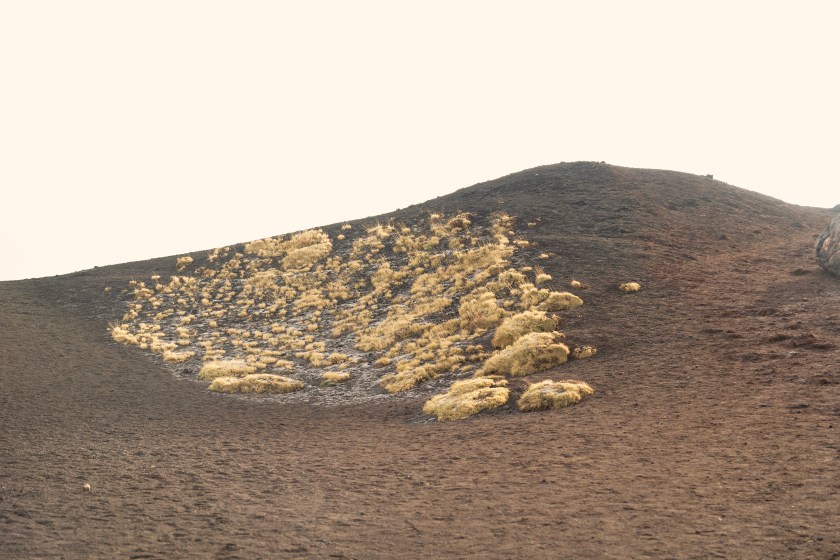
Mt. Etna

By Mitchell Slepian

About a month ago, I came back from a tour of Sicily. I was there for about two weeks. I did start my tour solo, as I arrived a few days before the tour officially kicked off. I saw a lot before I met my new “family.”

I went to the conference room in my Palermo hotel, and we walked over to a nice restaurant. I sat with some people that I wound up eating with several more times. I was solo. There was one other solo traveler. I was the tour photographer. I wasn’t hired for it. It’s just that I was one of only two out of 45 people shooting with a traditional camera v. a mobile device. I was using a Nikon Mirrorless 7. 

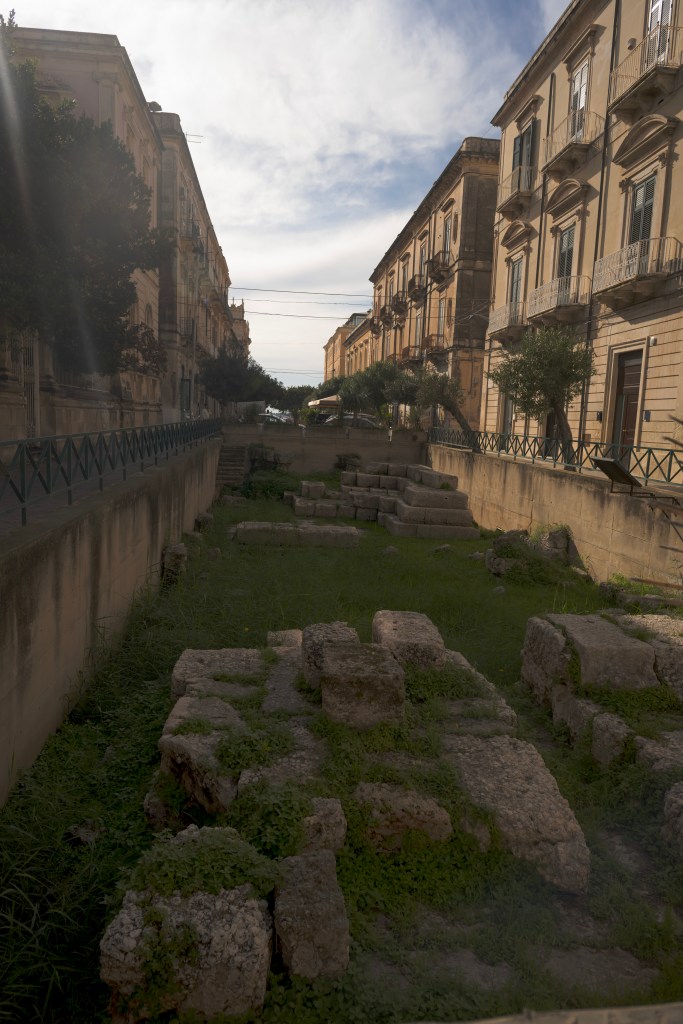
Ruins

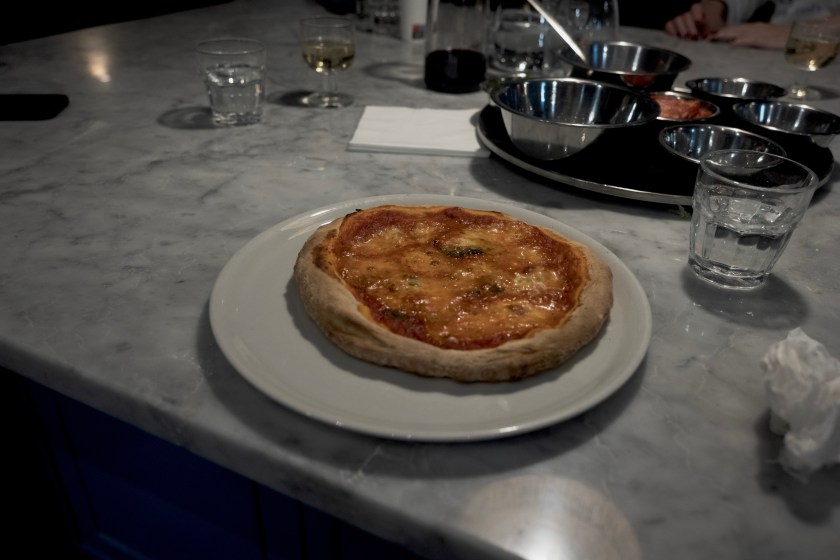
Sicily is beautiful, I became friends with nearly everyone. Of course, the people originally from Brooklyn and the Bronx were the best. Most people recognized I was from Brooklyn as soon as I started talking. That makes me proud. No other place has the Cyclone, the original Nathan’s, the Brooklyn Museum, and fantastic pizza. Sicily’s pizza is better. Way better. For the record, so is Milan’s. 

Pizza made by me

Everyone on the tour was excellent. Yeah, we had some people that I thought were children of the corn. But we all got along and had a great time. We had a WhatsApp group during the tour run by our guide. She was the only one allowed to post. 

Most people wanted to see each other’s photos. Someone made a WhatsApp group for us to use once we got home and went through our shots. It took me a few days to edit with Photoshop. But I posted as I edited. For the next few weeks, we swapped our photos and memories. We all commented. I am happy to say people loved my images.  We are in a new year and still chatting.

I look forward to my next tour. I hope I can make a new family.

What’s the Best Way to Communicate: email, social media or texting?

By Mitchell Slepian

Email has been mainstream in business since the 1990s. As we know, we now have too many other ways to communicate, including but not limited to social media and texting. Remember faxing? Or snail mail? Both are still in play. 

As a chair of a community organization and a volunteer in a few others, we generally communicate our business via email. Several of us who are friends often have our own discussions via chat. But all official business is done via email. 

We have members who do not have email. They do not have computers. Some are senior citizens. But before we toss in the age factor, I have worked with people in their early 90s to create PowerPoints and run podcasts. They had no issues. Yes, I worked with people much younger who had no clue how to use email or other communication methods. So, age is just a number.

About two weeks ago, it snowed in New York City. It hampered some events. One started at 7:30 a.m.  ET. The other was supposed to begin at 9 a.m. ET. We wound up combining our groups. This recent storm was not the first time we have had to take that course of action. It will not be the last. We early birds sat around, and the folks from the later-starting group wandered in. Both groups have their latecomers. Snow delayed some of them even further. A day or two later, I suggested that when we know the weather will not be good, we send an email and make a robocall to let people know we are combining. Several people blasted this idea, saying some people don’t have email, and others don’t want to be bothered by a robocall. I made the case that email has been in play for a long time and that the call was coming from a number we all know. It should not register as a potential spam call, as carriers like to say.

I know people who text to landlines. I still have one. The texts usually arrive in gibberish. As chair of my group, generally start meetings (which are traditionally on Zoom, that’s another issue), reminding people you need to text their cell phones. Some folks love Facebook Messenger. Unfortunately, they do not realize Messenger works on Facebook. Many don’t know that you cannot email Gmail or send SMS messages from Messenger. Don’t get me started on WhatsApp. I think it works great and has its place.

Before I was chair, I was corresponding secretary. I created a form for people to send me via email when they donate. I can take their contact information off it and generate thank-you notes to distribute via email and traditional mail. It is still lovely to receive a personal, warm thank-you note in the mail. One of my chairs used to mail me handwritten notes with donor information. Sometimes he would wait weeks, and I’d get an envelope with 30 or 40 scraps of paper with contact information. This issue severely hampered our program.

The question has always lingered in my mind: What to do? I continue to use email and will call people. But the question will always linger on how to reach everyone.

The Infants React

Jay was still shooting glass at the infants. Marc and Alana were providing cover and taking the hits. It didn’t hurt. Thankfully, most people were stuffing themselves with bagels and lox. No one noticed the kids were under attack. Everyone was too busy eating. 

Marc and Alana looked at each other. They knew one of them had to socialize with their family and friends. They both should be doing that. They should be sitting proudly with their beautiful children. Of course, that wasn’t the case.  Dispatched to the crowd after losing rock, paper, scissors, Marc began chatting with his and Alana’s parents. They wished the two would wed. But they knew that’d never occur.

Alana turned around for a second to scout out the room. She was ready to unleash wine. As she turned back around, she saw the kids smiling and watched their eyes blink like crazy. She heard them breathing a little heavier. Suddenly, Sarah rolled over and turned into a serpent. She slithers over to Jay and is about to unleash her venom. David Benjamin turned into a whale. The twins in their new forms looked at each other. They then stared Jay down. He flung glass at them. Sarah whipped it back at him, while David Benjamin opened his mouth, displaying his sharp teeth. Jay tried to retreat. Tried he did. David Benjamin whipped his small but powerful tail around and smacked him in the head. At the same time, Sarah released venom into Jay’s leg. Jay hobbled out of the shul. Alana stood in awe of her kids. She needed to show Marc the video she just shot on her iPhone. But first, she had to wait for the kids to turn back into cute little infants.

All Good PR is Local

If You Open It, They Will Come

By Mitchell Slepian

Some of us remember the phrase, “All politics is local,” used by former House Speaker Tip O’Neill throughout his career. His dad reminded him of that in the ‘30s, after he lost his first election while running for a seat on the Cambridge City Council. He took his own neighborhood for granted. It has been said to be a great learning experience for him. For me, too.

Let’s jump out of politics and go to PR. Trust me, as a long-time practitioner who started in NYC’s government, the profession has its politics. The key thing to remember is that all good PR is local. It is the best way to build. We will jump from Staten Island, New York, to Edison, New Jersey, other parts of the USA, and end in Sicily, Italy.

Fresh out of college and while in grad school, I started volunteering on local and city-wide political campaigns in NYC.  I landed my first job as a staff member in NYC, moved on to the mayor’s office, and then went into the private sector. I watched each candidate and elected official fight it out and reach an agreement on local issues. It could have been infrastructure, for example, which district would get money for new sanitary and storm sewers or better bus routes.

After leaving politics and joining a tech PR firm, I represented the former Consumer Electronics Manufacturing Association (CEMA), now the Consumer Electronics Association (CEA). I was involved with this great organization for many years, both representing them and sponsoring their press room. 

Composed of leading electronics makers, such as Bose, Panasonic, and Sony, which, along with others, made great audio equipment for cars. There was a time before you used SiriusXM or your iPhone to get your music in your vehicle. You pumped up your Caddy, Jeep, Nissan, Ram, Vette, Toyota, etc., with great speakers and cassette players. Then we moved onto CD players and theater systems in the cars. The car audio market was huge.

We sent local car audio experts across the country to explain why you should upgrade your vehicle with their equipment rather than rely on the dealer models. Our spokespersons traveled to top and secondary cities and did local newspaper, radio, and TV interviews. They popped into the local auto shows. 

I remember when we had high-end cars with great sound systems and a spokesperson lined up outside of CBS’s studio in NYC. The story went national. 

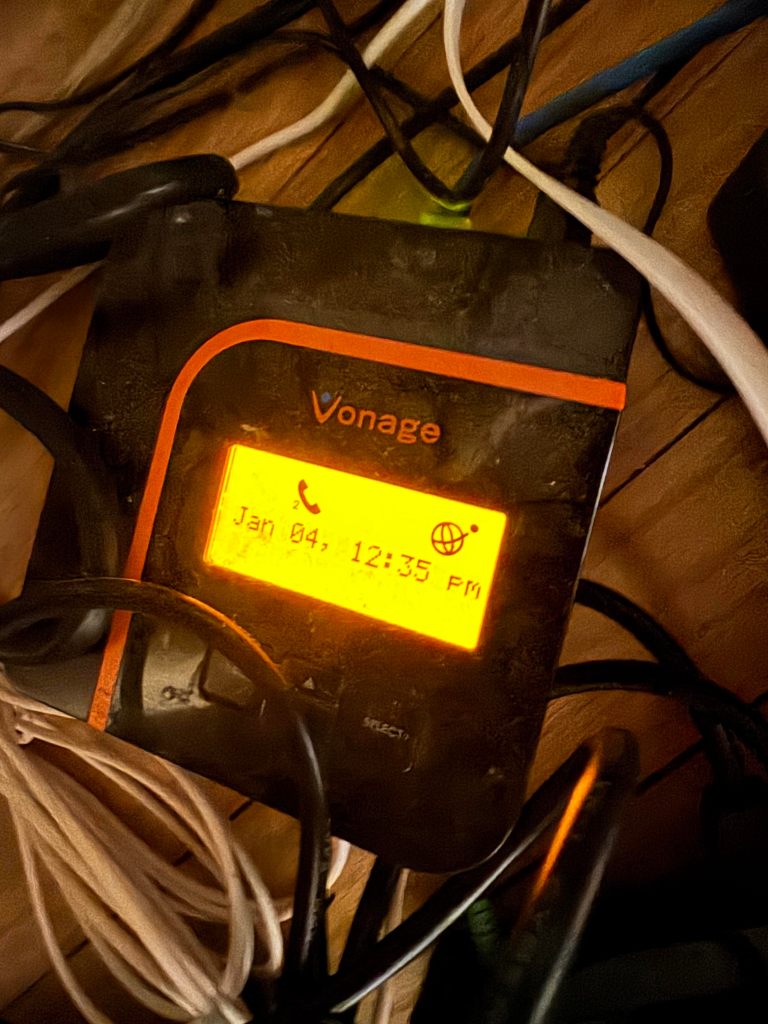
Years later, I worked for Vonage, the company that brought internet telephony to consumers. We first launched local area codes in NYC and Edison, New Jersey. One of my roles was to write the press releases when we launched in new locales. I wanted to interest the local writers. Sadly, in today’s world, many of those great folks are gone. 

Vonage Device

Having watched some companies launch locally by saying, “We are now in Dallas, New Orleans, or San Diego…” I tailored the copy to make it sound like we were part of those cities. As soon as the releases crossed Business Wire and I personally emailed them to local reporters, we got coverage. Even better, retailers called and asked if they could sell our products in their stores. Civilians called to ask whether we were opening a store in their neighborhood and where to send their resumes.  The service was sold online, for the most part. But we did sell the devices that connected to the service in local and chain electronics stores. So, we did our local thing, which may have helped local stores increase their revenue and the number of people in the workforce.

Jumping to marketing tactics in Sicily. I recently returned from Sicily. I highly recommend it. The sites, people, food, and drinks are incredible. During my tour, I was fortunate enough to visit Savoca, where Francis Ford Coppola filmed several scenes from “The Godfather.” 

While walking to the church where Michael Corleone and Appolonia wed, I saw a great local marketing tactic put into play by my local guide, a wonderful woman of British and Sicilian ancestry. She joined us for three days. Her intimate local knowledge was incredible. But her skills in helping people in small towns stood above it all.

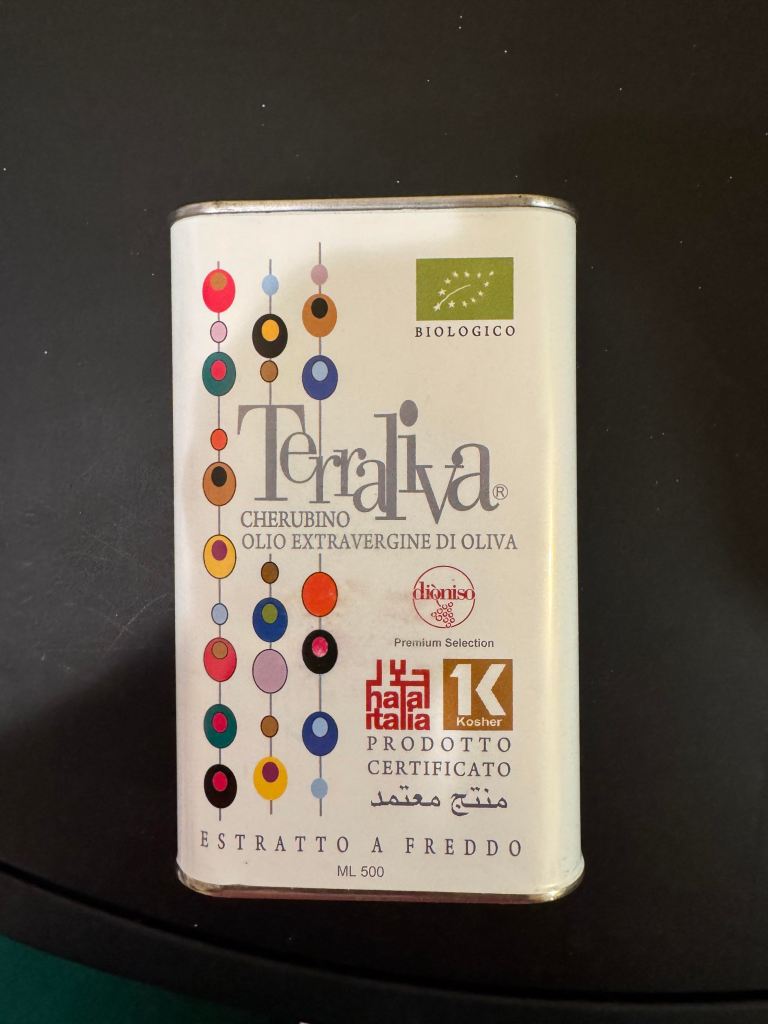
As we walked to the church where Michael Corleone and Appolonia wed, we passed Dioniso, a great little store selling olive oils, spices, wines, and other great stuff. The store was not supposed to be open when we were touring Savoca. Our guide texted the owner and let him know she was bringing a crew of 45 people through town, and he might want to open. As we approached the store, we saw him opening the shop. She introduced us, and we did tastings and bought numerous items. He probably stayed open for just about an hour. He made many sales. Again, local marketing. Tell them we are coming and let them open; they will succeed.

Olive Oil from Dioniso

I remember so many calls from national reporters, particularly from the Associated Press or The Wall Street Journal, calling or emailing about things they read in the local news about the companies I worked for.  I have seen this with social media. I run several sites for local organizations. We get thousands of visitors. Viewers of our work have increased donations of memorabilia and money, as well as visits to our location. Bottom line: start local and remember it will lead to growth.

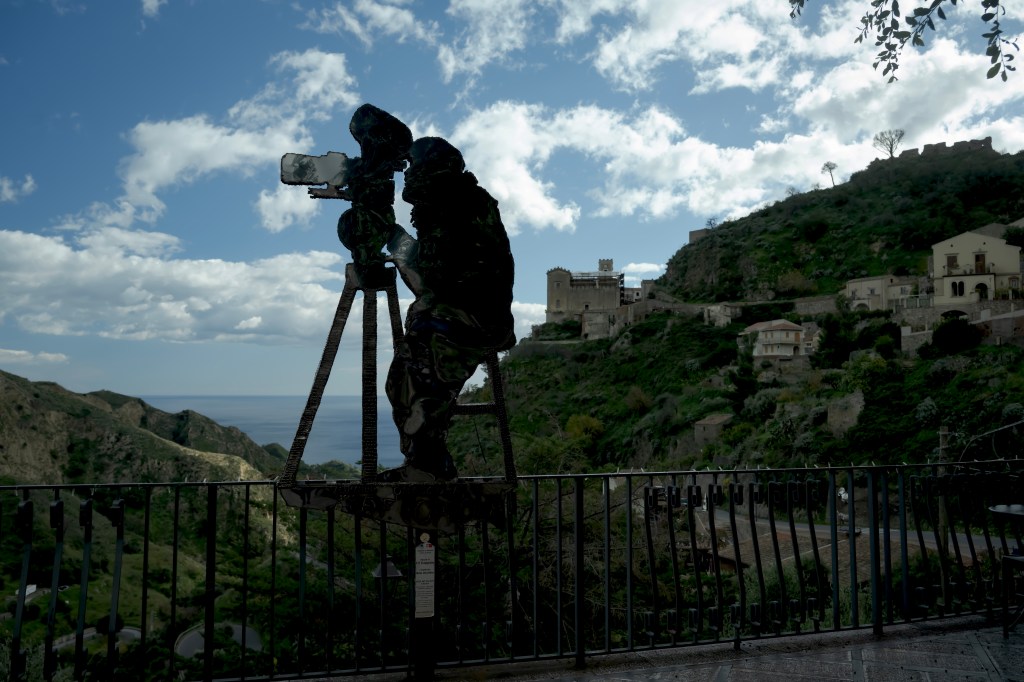
Francis Ford Coppola Statue in Savoca

New York, New York, or the Middle of the Desert

You can be Isolated and in the Midst of It All –  Get the Balance Right

By Mitchell Slepian

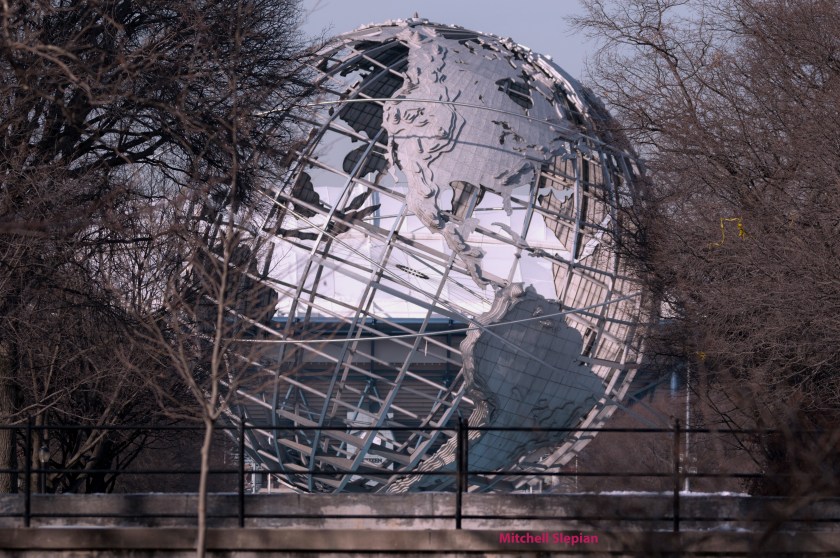
World’s Fair Globe, Flushing Meadows–Corona Park

No, I am not writing about Ol’ Blue Eyes. Or quoting from Depeche Mode. (But I do want to hear his version of “New York, New York” played after every game at Yankee Stadium during 2026). The Big Apple is one of the world’s most photogenic cities. Yes, there are plenty of others, for example, Belfast, Jerusalem, Moscow, Milan,  Reykjavik and Tel Aviv. What I love about New York City is that nowhere else can you find Broadway, the Brooklyn Bridge, Coney Island, the East and Hudson Rivers, the Staten Island Ferry, Yankee Stadium, and the World’s Fair Globe. And more. Much more.

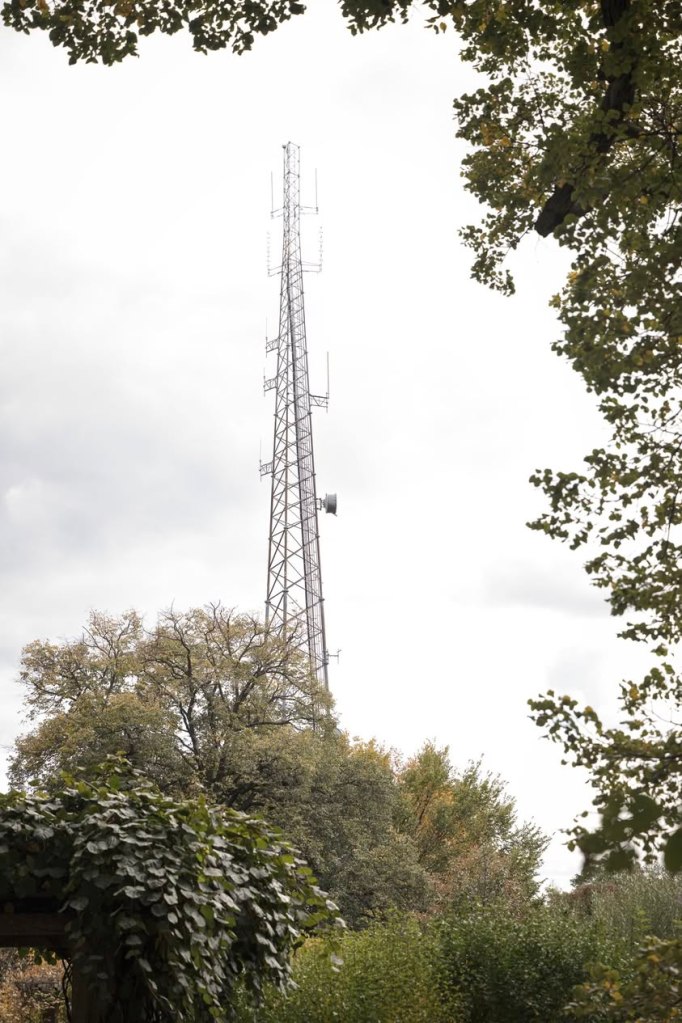
Cell Tower Outside Brooklyn Botanic Garden

New York offers places where you can feel the big-city madness. Or areas where you can feel the quiet and almost feel isolation. When I say isolation, I do not mean the Joy Division tune. I am thinking about being at the Brooklyn (BBG) or New York Botanic Gardens, William H. Pouch Scout Camp, or just being in your own world while cruising along Museum Mile.  NYC offers isolation and madness.

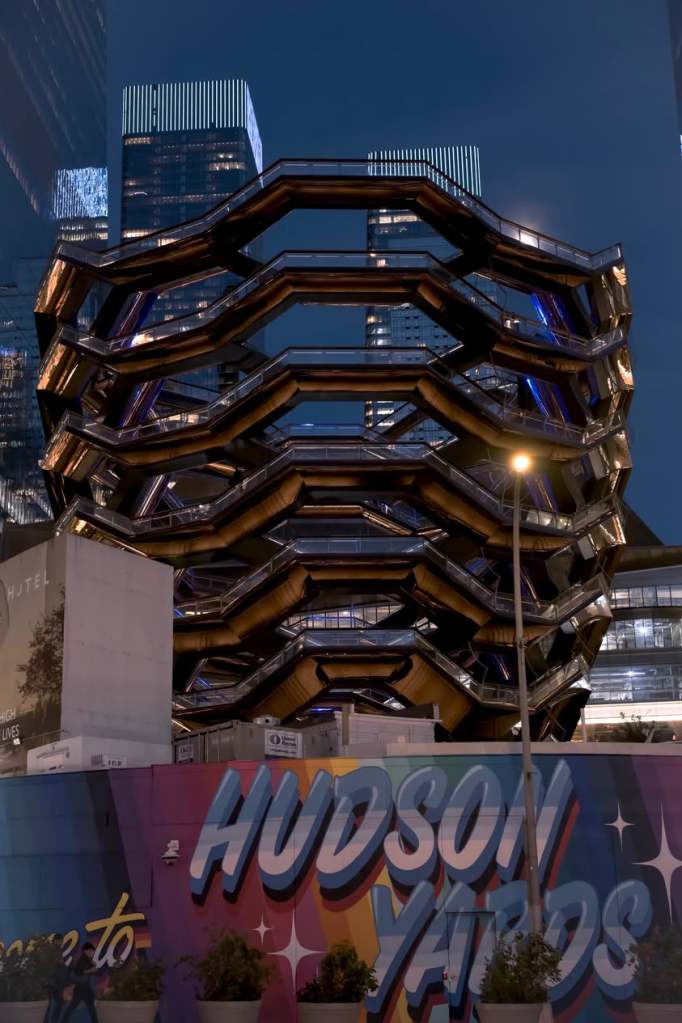
The Vessel at Hudson Yards

The joy of being in the “isolation”(Joy Division was running through my head) of NYC, or let’s be honest, any other major city, is the things that pop up on your travels. As I was walking through the Fall Harbor Fest at BBG, I looked up and saw a cell tower.  A few feet away, I watched a squirrel around some dying flowers. It’s that time of year. Next to the flowers was a trash can. I remember seeing cell towers driving through Death Valley and along the Italian lakes.

Let’s face they are everywhere. We cannot survive without our Wi-Fi. In many ways, seeing them and the trash cans keeps it in perspective. You can enjoy your isolation or privacy. But know you are when you are in the middle of beautiful gardens or national parks and communing with nature, you can easily text your friends, check the baseball scores, or listen to Depeche Mode on Apple Music on your iPhone. And toss out your trash. NYC provides the perfect place to do it all. It’s just important to remember to stay balanced in your adventures and take it all in. 

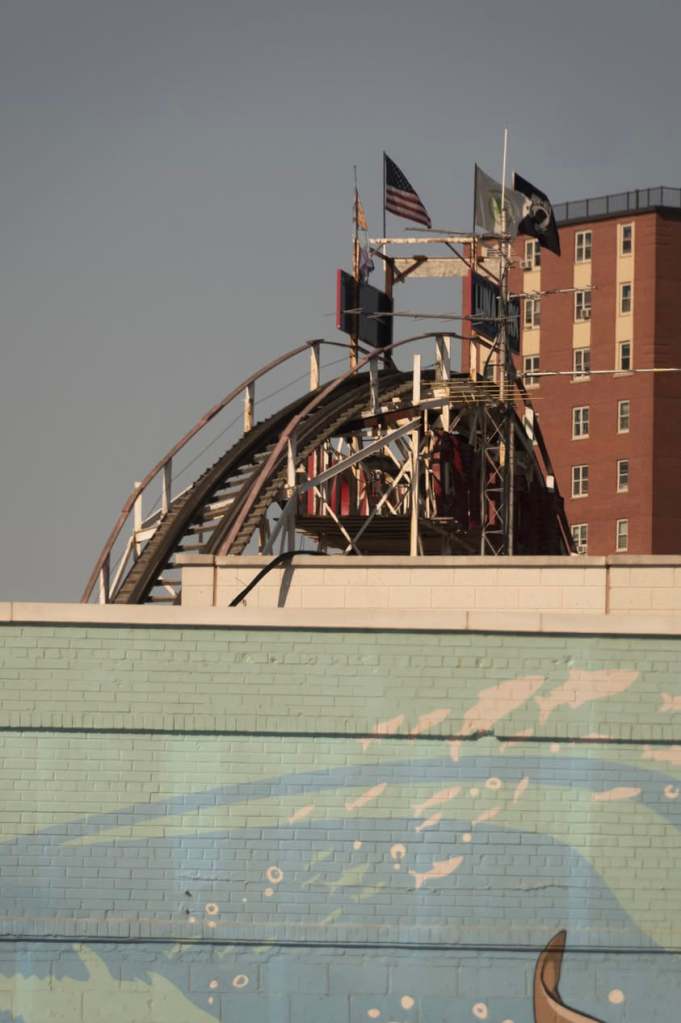
The Drop on the Cyclone, Luna Park, Brooklyn, NY

In Your Eyes

With or Without Your Phone or Your Nikon Camera

By Mitchell Slepian

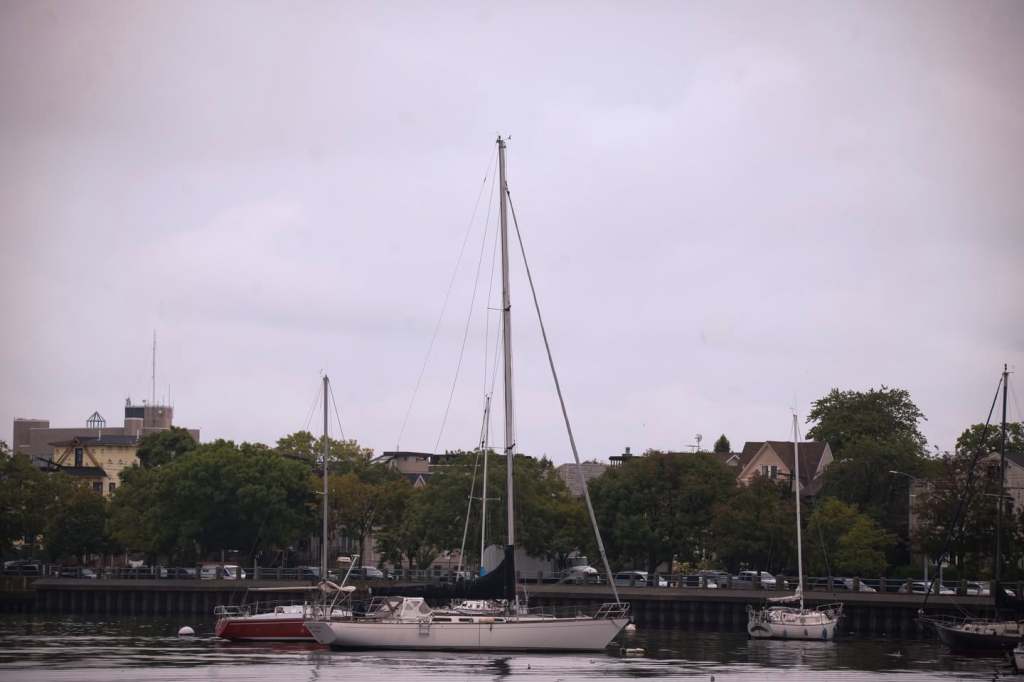
Sheepshead Bay by Emmons Avenue

I am not writing about Peter Gabriel, who wrote the hit “In Your Eyes,” or U2, whose hit “With or Without You” broke them into the major leagues of music. They were there well before that tune. Think of “Sunday Bloody Sunday” or their debut, “Stories for Boys.” Like Paul Simon, I have a Nikon camera and love to take photographs. I do have a Kodak Instamatic X-15. So, a Kodachrome, I can deal with. I bought it last summer at a street fair at the Brooklyn Botanic Garden. This camera was introduced in 1963. By 1970, it had sold several million. Probably similar to the number of albums sold by Genesis, Gabriel’s solo work when he departed Genesis, and certainly U2. The man I bought it from told me it works. The other day, I was in B&H, and they told me they have film for it. I need to check the camera and see what I need. Remember film? In camp, my Assistant Scoutmaster Larry had a Polaroid. We took tons of shots that printed as they popped out of the camera.

But this story is not about cameras. But more about seeing things with your eyes. One of my closest friends is an eye doctor and a great swimmer (his swimming hole required excellent vision). Many of you have seen my photos. I share them via email and Instagram, and occasionally LinkedIn. I hope you enjoy what I have included.

New York Botanical Garden

Now, about seeing stuff in your eyes. I often spend weekends shooting photos at the Brooklyn or the New York Botanical Gardens, the South Street Seaport, and Museum Mile. Then, there are the days I go to one of the holiest places, Ten Mile River Scout Camps. It is a photographer’s paradise.

A few days ago, I saw the Psychedelic Furs at the Brooklyn Paramount. Before meeting a pal at the Original Junior’s Cheesecake (it’s across the street from the venue) for dinner before the show, I saw the Monet in Venice Exhibit at the Brooklyn Museum. Amazing. I had about two hours before what should have been a few subway stops away to Junior’s. So, I went to the Brooklyn Botanic Garden, which is next to the Brooklyn Museum. Oh, as for what should have been, blame the MTA for making it several more stops and three different trains—life as a New Yorker. 

New York Botanical Garden

I strolled the garden without my Nikon. I kept my iPhone in my pocket. I took in the beauty of the gardens with my eyes. It was incredible. I was just so amazed to look at the flowers with my eyes and not through a viewfinder with my thumb and index finger playing with the ISO and F stop. Or clicking away and texting images of the fountain. At this point in the season, many of the flowers are dying. That’s more of a song from The Cure. But there probably isn’t a better songwriter than Robert Smith. The Cure saved me. I am sure they have saved others. The gardens were magical. I thought a little more about what I was seeing. I wasn’t thinking about lighting and what I’d be doing with the images in Creative Cloud. It was simple. These days simplicity is missing.

This experience only makes me think, I need to go back to the Brooklyn Botanic Garden and other places with less equipment. Of course, the shots I take make many people smile and create great conversations. Balance is what I need. 

New York Botanical Garden