AI and the Arts

Is it Helpful or Does it Destroy Creativity? Will it Make Coney Island or NYC’s Flowers and Rivers Look Better?
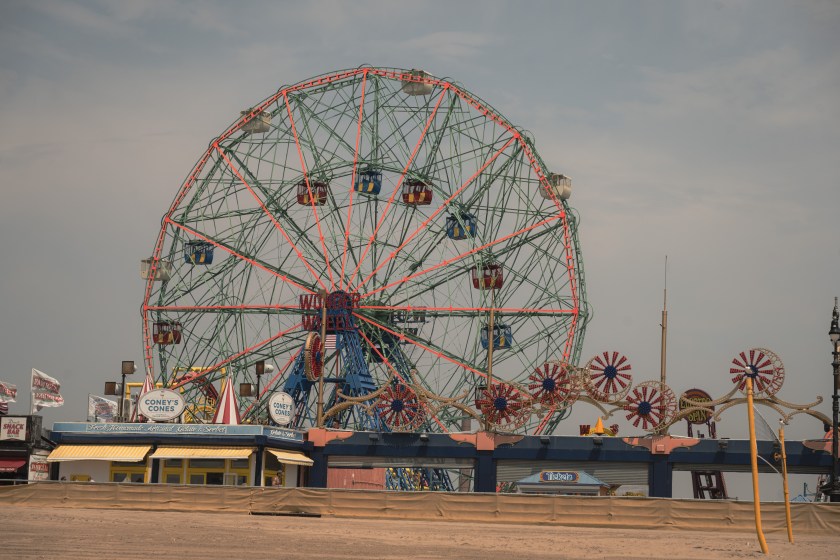
Wonder Wheel

I’ve been to some in-person breakfasts and/or lunches (remember those) and attended several Zooms (we all know those) where we’ve discussed the progression of AI. Make no mistake, it is progressing. 
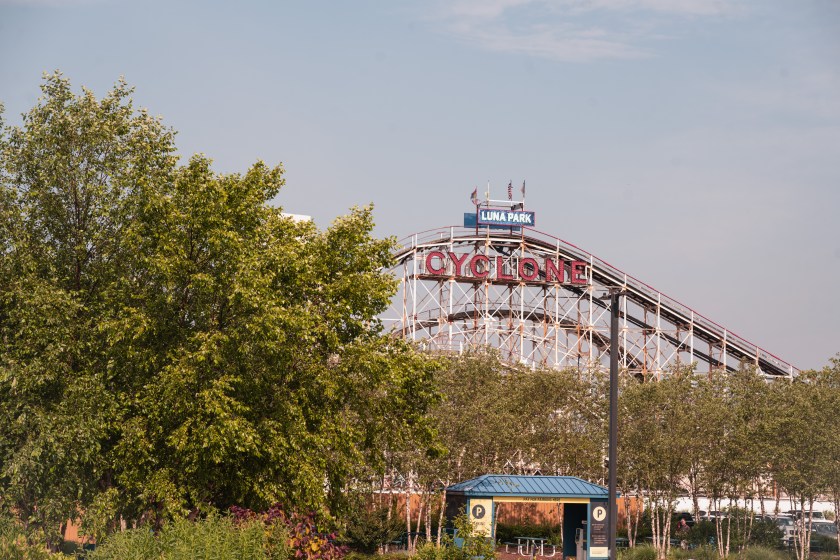
The Cyclone

One of the things we discussed in the side conversations or hallway chats is how it affects the arts. I had a similar discussion with people who are writing and performing their own music. They’ve played in some of NYC’s bars. Hopefully, one day, one will headline Madison Square Garden.
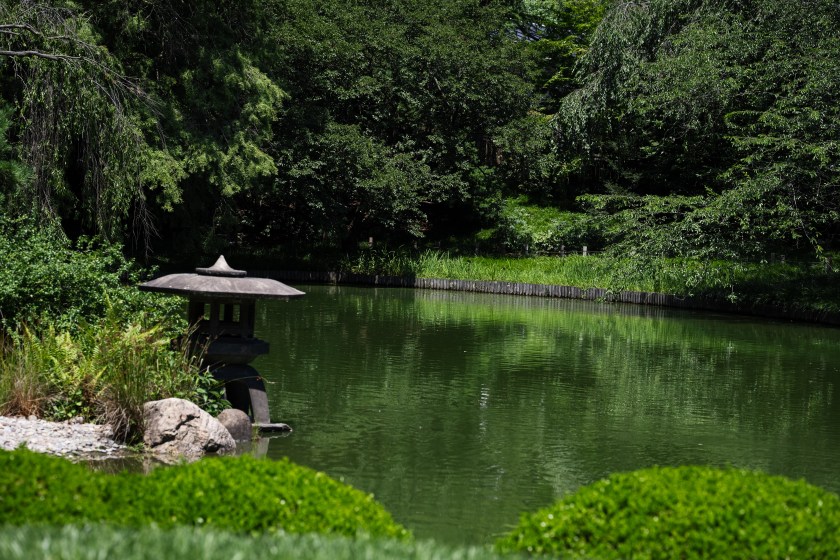
Lake at the Brooklyn Botanic Garden

The big topic is: does AI help or hurt the Arts? I know people who are now creating art using AI. Is that how we should use it? Use it as a collaborative tool. It will make your work better. 
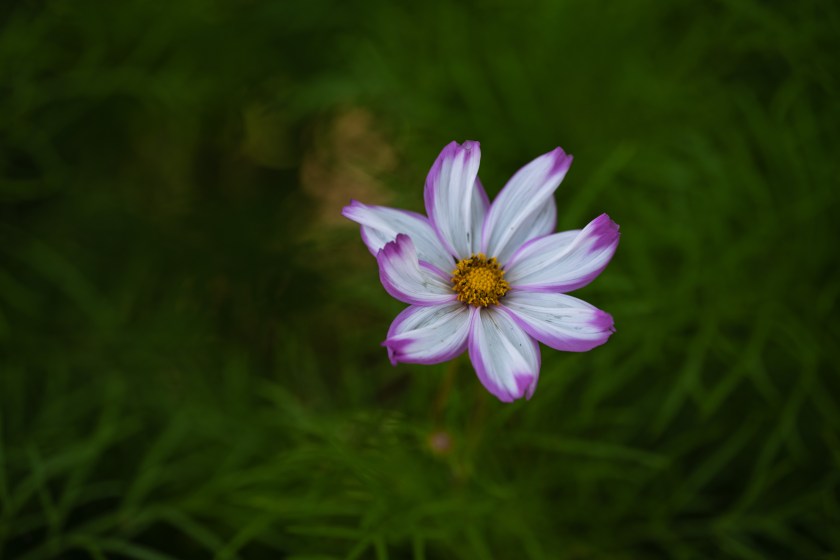
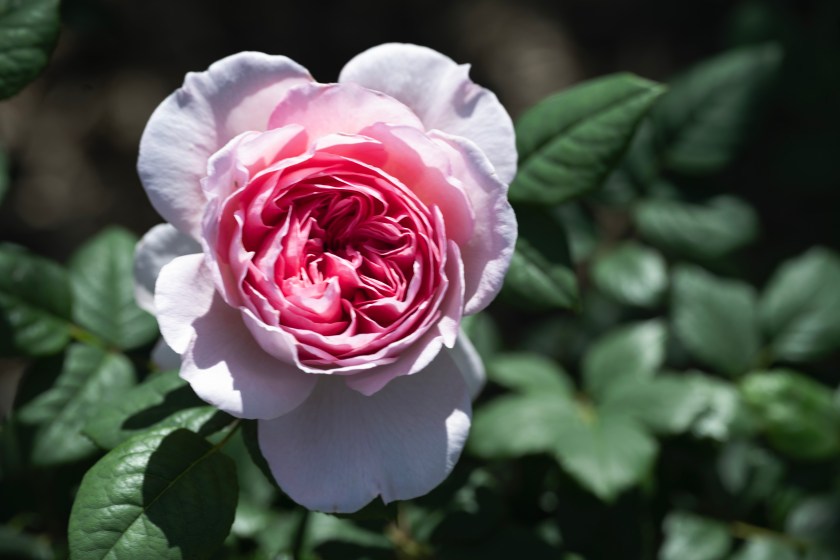
Flower at the Brooklyn Botanic Garden

We have spoken about how, in a few decades, we will enter the Guggenheim and see art created by AI? Will it rival the pieces painted by Cezzanne, Monet, Picasso, Pissarro, and Van Gogh? Unlikely. I doubt it can capture the feelings they had while painting. But it can create interesting material? Should it have an asterisk? Sort of like what they did to Roger Maris after he hit #61?

AI certainly helps you be more creative. Don’t use it to create your image or music. Use it where it enhances your work. I love using Photoshop’s new AI tools. Most of my photography is shot outdoors. My favorite sites to shoot are Coney Island, Brooklyn Botanic Garden, South Street Seaport, and a few scout camps. 
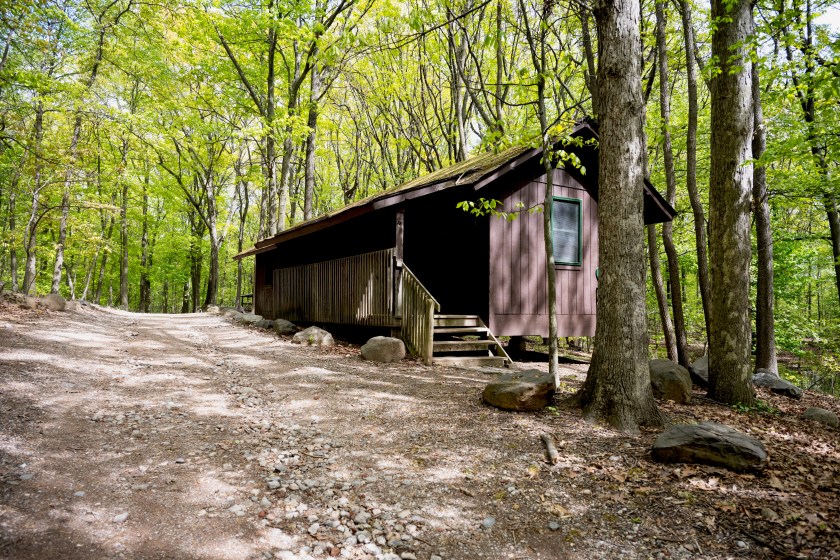
Little Acorn Cabin at William H. Pouch Scout Camp

Photoshop has enhanced its tools that let me delete those annoying glares and spots from the sun. Yes, I used polarizing filters. But nothing can one hundred percent eliminate them when shooting. We have great tools on our cameras, and AI is another super tool to help. It does a few other cool things, such as removing distracting elements or fixing the colors better than it previously did.  It is easier to fix someone’s shaving cut and make their face look better in the image with their children at special moments.
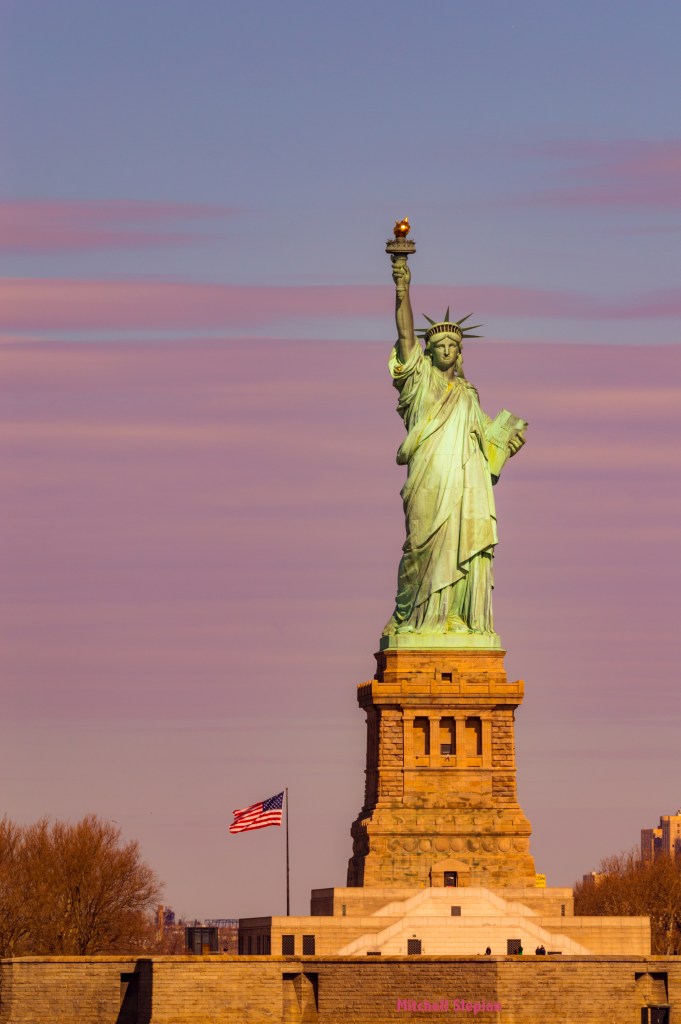
Statue of Liberty

Sure, it can play around with clothing. I know someone who wanted to take a uniform someone wore in an image from the 30s and update it to today’s look. I said no; that’s where we should keep things the way they were. 
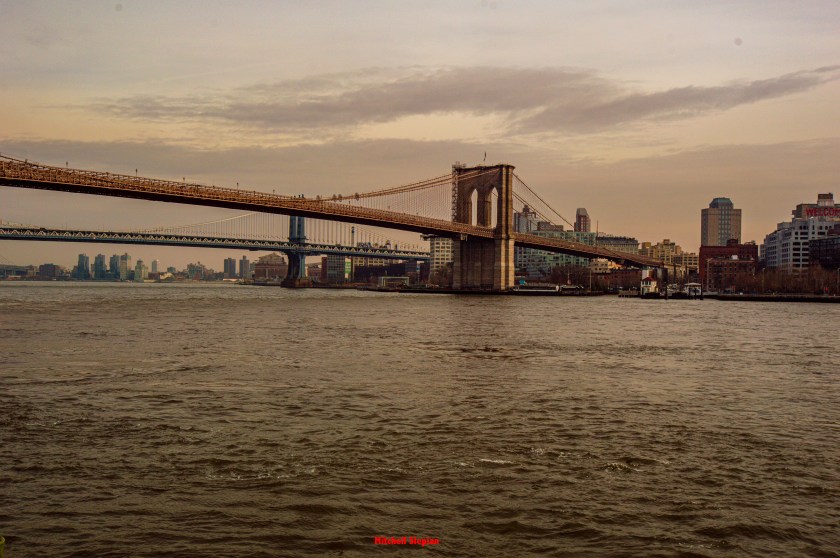
Brooklyn and Manhattan Bridges

Bottom line: when used properly, AI can do wonders. It is frustrating to see sun spots in my skies, rivers, and fields when filters could not block them all out. That is where AI is especially helpful. It can help you be more creative. Use those ideas as a starting point, not as a substitute for your own vision.
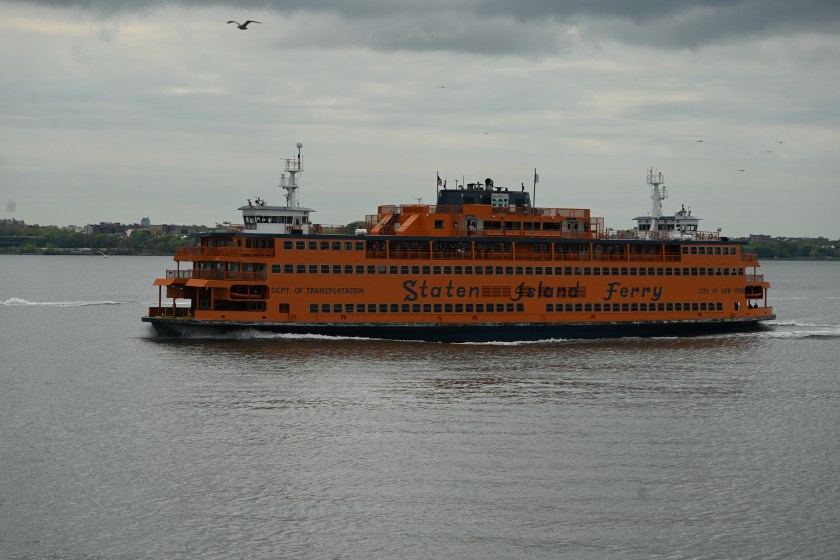
SI Ferry

Seeing Things Through a Different Lens

By Mitchell Slepian

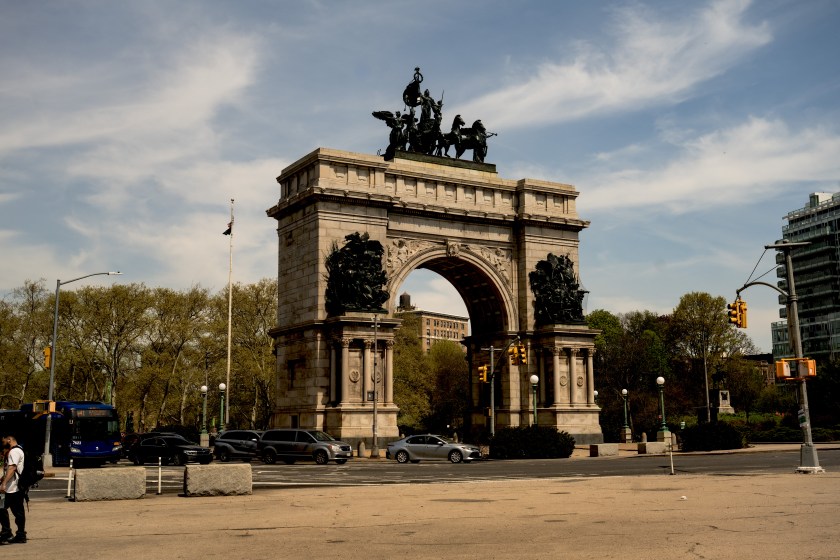
Do you ever try to see things through a different lens? Are you so stuck in your usual way of thinking that you cannot? It might even scare you to try to look. The other day, I was at Grand Army Plaza and the Brooklyn Botanic Garden. I was thrilled to see that the plaza renovation is finally complete. It made the fact that I looked through a different lens even more special.

Grand Army Plaza

Normally, when I stroll through the Brooklyn Botanic Garden, I have my camera with my Nikkor105MM F2.8 macro lens. That’s the lens that lets you to closeups of the flowers. You can shoot shots of the bees flying around and landing on the pretty flowers. Perhaps they are fetching honey. That’s an old joke from a camp skit. The lens allows you to take close-ups of a nice ribeye with that glass of red behind it and hashbrowns on the side. 

I love shooting macro. But it doesn’t allow you to go wide or zoom. You are at a fixed focal length. That’s cool. Most of the best portrait and street photos are shot that way. I have taken dozens of floral shots with my 105 mm lens. I have been contemplating going to the BBG with a different lens. I finally did. I brought a Nikkor 24-70MM F2.8. Some call this the everyday lens. It is amazing. It gives you the versatility to do nearly everything. It doesn’t go as wide as a standard wide-angle. Nor does it let you zoom like the 70-200MM. It goes from wide to short telephoto. It is light and won’t weigh you down. It is a great choice when you wanna go out with just one lens and not be weighed down by your camera bag.

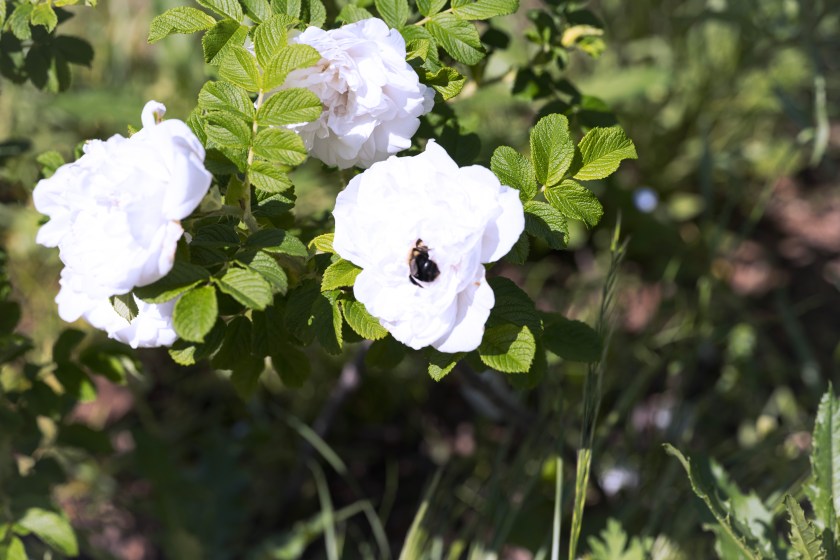
Bee Fetching Honey – Macro

As I walked by Prospect Park towards Grand Army Plaza, I was shocked to see that the renovation work was complete. It took about two years. For NYC, that’s super-fast. They’ve been doing track work on the R-subway line for several years with no end on the horizon. 

Red and White – Macro

I was so happy I took my 24-70 lens. The macro would have done a great job. But framing the shot would have taken much longer and been more difficult. The other lens allowed me the flexibility I needed. Yes, I tried to take a shot of the Brooklyn Museum. No dice. I need my wide-angle lens. If the museum were about a half-foot smaller, I could capture it. 

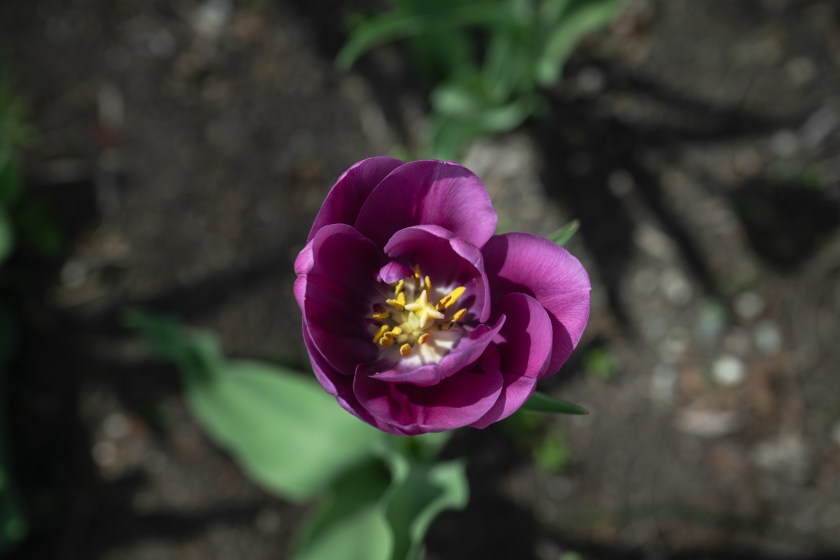
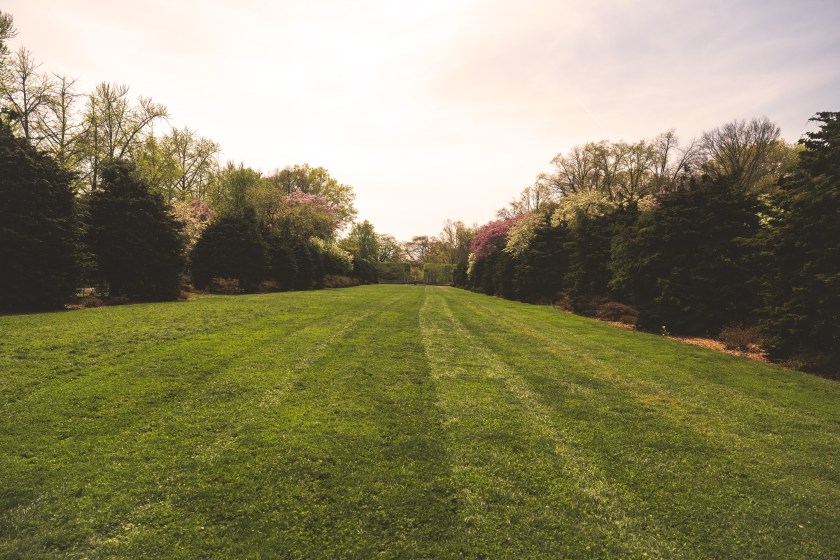
As I entered the garden, I took my usual opening shot of the field and was able to capture it all. I was able to shoot the ponds and capture them perfectly. As for the close-ups of the flowers, it did okay. It captured them nicely. Does it capture the same detail as the macro? No. But that’s why they make that lens.

Purple – 24-70mm

Bottom line: seeing things through a different lens opens your eyes to new things. Give it a try.