How Accurate Is It?
By Mitchell Slepian
I read on a social media platform to do a deep AI search of yourself. You should see what people find about you when they search for you. It’s a good idea.
These days, organizations do that as a pre-employment check, potential dating partners check you out and organizations do it to see if you’re okay to volunteer with them. This is only the top of the list.
Maybe you read my May 15 post, “Is AI Really That Smart?” I discuss its accuracy and your need to verify. AI is a great tool, and it is forging ahead. We are in the midst of a revolution. We are also at a learning stage.
The other day, I took the advice from my reading and did an AI search on myself. I used Google. I have found that it and X’s Grok offer the easiest and quickest searches. Was what I found about me accurate? Yes and no. Was it concerning? Not really. Was it funny? A little. Was it slightly misleading? Yes.
Let’s jump into it. It quickly found my employment records. All it did was search LinkedIn. It was fairly accurate. It didn’t pull up the timing I had for certain roles. But it was not terribly off. My LinkedIn profile is accurate as the platform allows. That’s the simple stuff.
I asked it about my interests. It quickly pulled up my loves: the Yankees, summer camp, and theater, particularly at Lincoln Center. I am in love with the fountain. I’d love to jump into it. That’d be way cooler than jumping into the one at Washington Square Park. I have been in that one when there was no water in it. I’d have no problem jumping it when the water was in it. People do it every day. Lincoln Center’s fountain is too classy. Maybe they can do a fundraiser and let people pay to jump in. I’d donate and jump.

I asked it some questions. It said I was an avid Knicks fan, and I do not follow the NFL. I only follow MLB. I am not a Knicks fan. Sure, I am rooting for them in the championship. I have never watched a basketball game in my life. I was once offered tickets in the area Spike Lee sits. I turned them down because I was attending a more exciting (at least in my mind) event at the Plaza Hotel. Google told me to I check the scores of their games. During the final game of the playoff round, I checked once while I was watching the Bronx Bombers. As a New Yorker, I felt the need to know. I was glad they won. Does this constitute me being a hardcore fan? No way.

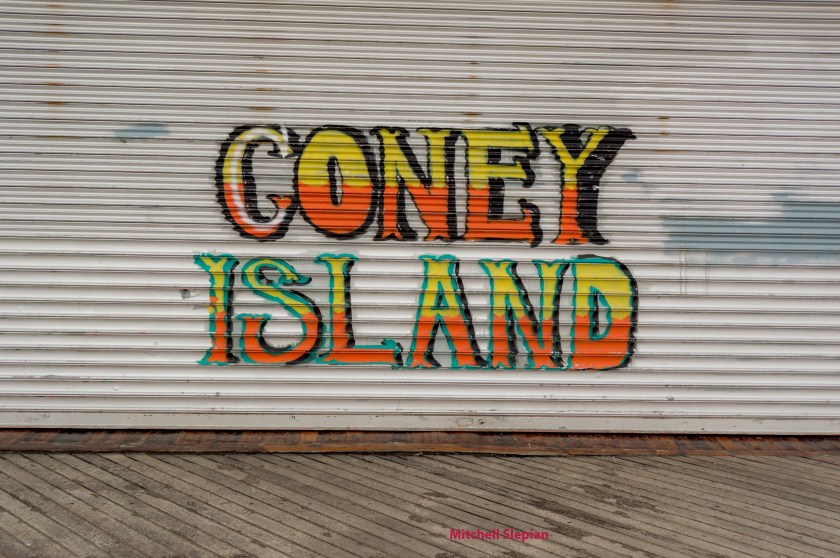
I asked it about my family. It noted that my father passed away. It mentioned my mom was an RN. It said, “I am very close to my sister, and we travel regularly to Long Island for photo shoots.” I do a lot of photo shoots. My photography is mostly shot at Coney Island, Scout camps, my European vacations, and the East and Hudson Rivers. My first one on Long Island will be next week at Baiting Hollow Scout Camp. My sister will not be there. She has never been to any of my photo shoots. Oh, the ones I allegedly do on the Island are shots of the stars. I tried that once in Forest Hills. One day, I will try again. It also said someone who is not my sister is.
I asked it what music I like. It said the top of my lists are Sir Elton, Billy Joel, and it claimed I don’t like the Beatles. I love the Fab Four. It expanded to list my new-wave and punk loves – The Clash, The Cure, Depeche Mode, Echo and the Bunnymen, and others. It left out my favorite band, U2. Was it right or wrong about music? I am not sure. Google pulled stuff from my blogs. In some of them, I mentioned what I listen to while I am writing or editing photography. All of these bands are in there. For the record, I am listening to goth right now. So, I guess AI was making educated guesses.

It noted “Rent” is my favorite show. Hands down, it is. It pulled up my volunteer work and my role as chairman of the Ten Mile River Scout Museum. It mentioned my other volunteer work and attendance at religious services. It might have made me too religious. It is what it is.
It chronicled my Scouting America history. It noted that I was the chief of the former Aquehongian Lodge #112 and that I am an Eagle Scout. It got a few other things right and some things wrong. Funny thing is, I searched on the same terms two days in a row. One day it said this. The next day, it said that. It also pulled my fiction blogs and looped what my characters are doing as me. Most of the characters are based on me. That has never been mentioned. So maybe AI figured that out.

Bottom line, AI is getting there. Is it 100 percent accurate? Will it ever be? Probably not. But will it be really close? No doubt about it. Should you use it as your final check to judge a future hire or date? No. Should you still verify and check other sources? Absolutely.